

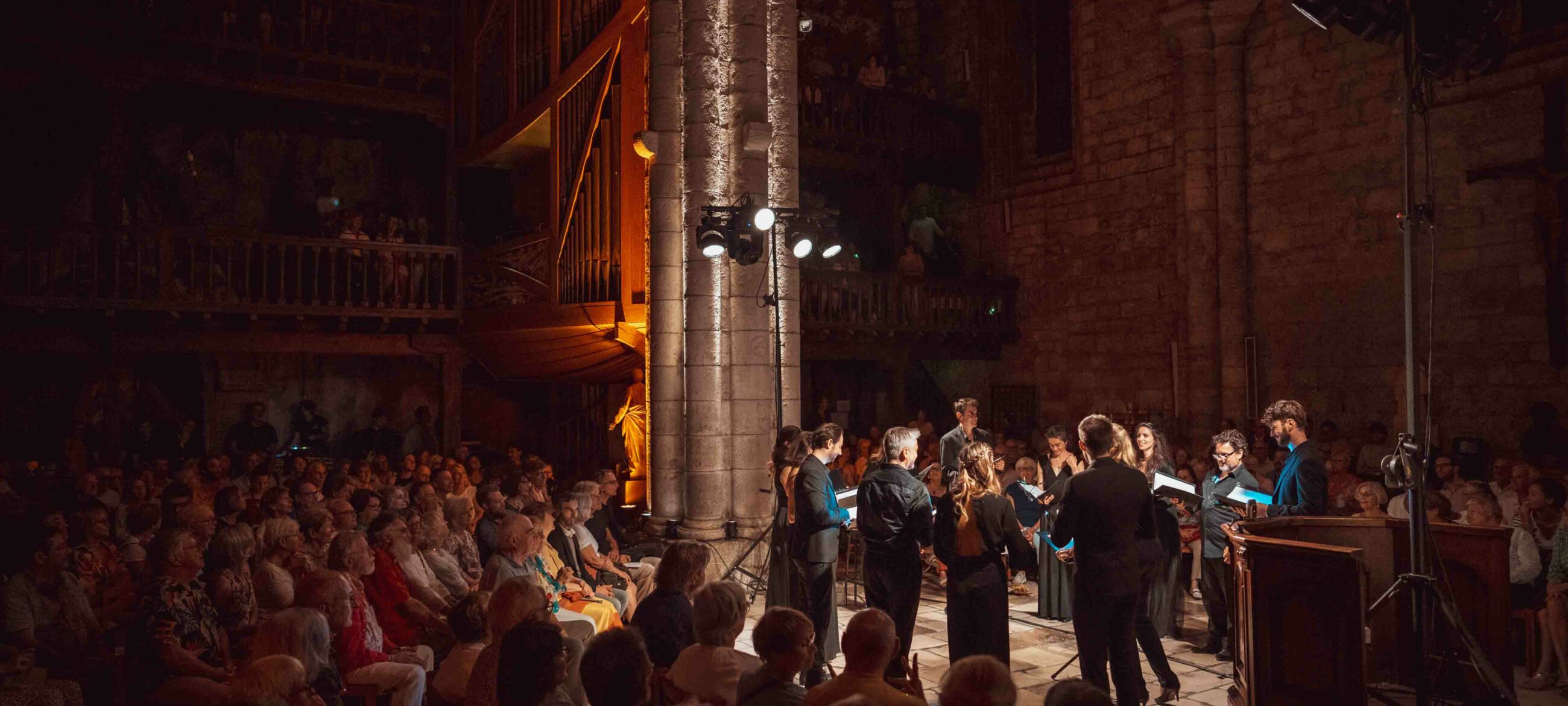
Bach – Mendelssohn
1:20 Program
Emmeran Rollin organ
9 singers
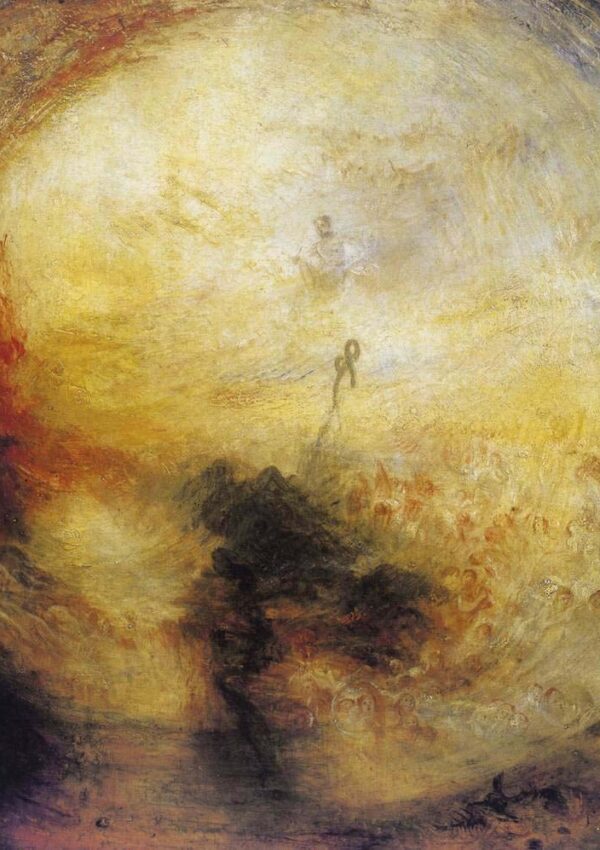
What is the use of art in our constantly changing world? Art is entertaining, yes, but it does much more: it is probably the only space where emotions in all their forms, including pain and fears, can both be expressed and transformed by beauty.
These two composers are often associated for historical and musicological reasons, given the devotion and musical lineage that ties Mendelssohn to Bach. Here, the program delves into their deeper philosophical and spiritual connections: this is not a simple juxtaposition of pieces, but rather a weaving of excerpts from cantatas, great a cappella motets, and organ works, forming a genuine conversation between Bach and Mendelssohn, a century apart. Each, in their era, with their own language and spiritual attachment, explores the same subject — the meaning of life and its inevitable end — through the same texts: psalms or their meditations, which express, sing, or shout all our human emotions, always very relevant. Thus, their works strikingly illustrate the moments of suffering we all experience; then, following the path laid out in the psalms and their meditation, they open a luminous door to an afterlife, a new realm for the imagination and spirituality of each individual. The works for solo organ complement this journey into the ineffable.
Olyrix, Olivier Delaunay, July 21, 2025
“All the more so since the choice was made to present almost exclusively the choral passages of these works. Thus, the cantatas Christ lag in Todesbanden (Christ Lay in the Bonds of Death) and Nun komm, der Heiden Heiland (Come Now, Savior of the Heathen) are offered in miscellany form, allowing at times Emmeran Rollin — most often the ensemble’s accompanist — to display his dexterity and the clarity of his transcriptions, and at other times the La Sportelle choir to demonstrate the breadth of its expertise.”
“With no more than two singers per part, the vocal ensemble trades the power of numbers for the suppleness and precision of interpretation. In this more intimate soundscape, each entrance of a voice section becomes a major event, enhanced by the strength of the consonants and the listening skills of these singers, who thus bear individual responsibility for their lines within the whole. […] The music thus appears in its full truth, without artifice.”
Félix Mendelssohn (1809 – 1847) Mein Gott, warum hast du mich verlassen ? op.78 n°3
Jean-Sébastien Bach (1685 – 1750) Sinfonia, BWV 4
Jean-Sébastien Bach Den Tod niemand zwingen kunnt’, BWV 4
Jean-Sébastien Bach Fugue, BWV 849
Félix Mendelssohn Aus tiefer Not schrei ich zu dir, op.23 n°1
Jean-Sébastien Bach Nun komm der Heiden Heiland, BWV 659
Félix Mendelssohn Mitten wir im Leben sind, op.23 n°3
Jean-Sébastien Bach Ich ruf zu dir, « Orgelbüchlein », BWV 639
Jean-Sébastien Bach Gottes Zeit ist die allerbeste Zeit, « Actus Tragicus », BWV 106 (extracts)
Félix Mendelssohn Sonate VI, Allegro
Jean-Sébastien Bach Komm, Jesu, komm, BWV 229